
English| EUR
Suggested for you
More currencies
Choose a language
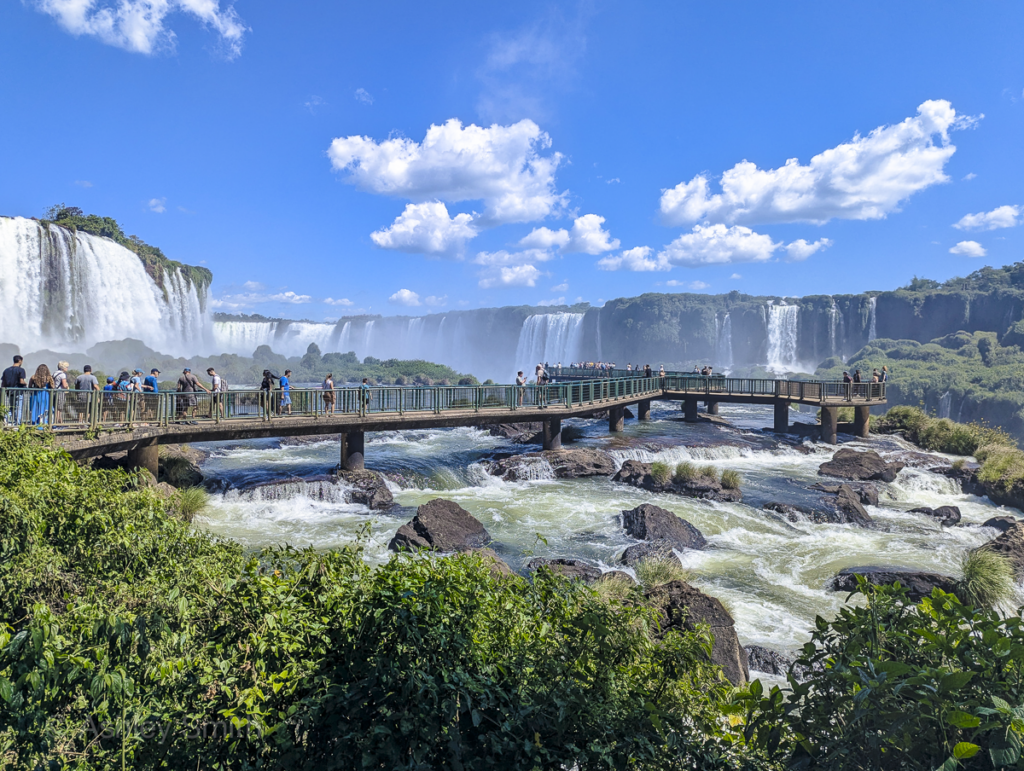
The Brazilian side of Iguazu Falls sits within Parque Nacional do Iguaçu, accessible from Foz do Iguaçu in Paraná state. Entry rules depend entirely on your passport, with most Western hemisphere and European travelers entering visa-free. Knowing your status before booking prevents last-minute complications at the border.
Quick answer
Most visitors do not need a visa to visit the Brazilian side of Iguazu Falls if staying under 90 days. Citizens of the United States, Canada, European Union nations, the United Kingdom, Australia, New Zealand, Argentina, Paraguay, Uruguay, Chile, and most South American countries enter Brazil visa-free for tourism. Travelers from countries requiring visas must obtain one before arrival, as Brazil does not issue visas on arrival at land borders.
Brazil operates one of the Western Hemisphere's broadest visa-exemption programs, with 94 countries enjoying visa-free access for stays up to 90 days within a 180-day period. For Iguazu Falls visitors, this means that citizens of Argentina, the United States, the European Union, the United Kingdom, Canada, Australia, New Zealand, Japan, South Korea, and most South American nations can cross into Foz do Iguaçu with only a valid passport. The exemption applies equally whether you fly into Foz do Iguaçu International Airport or cross by land from Puerto Iguazú on the Argentine side. Passport validity is the first checkpoint. Brazilian immigration requires at least six months of remaining validity from your date of entry, and at least one blank page for the entry stamp. Travelers arriving from yellow-fever endemic areas must present proof of vaccination, a rule enforced at all Brazilian entry points including the Tancredo Neves Bridge connecting Argentina and Brazil at Iguazu. The certificate must be dated at least ten days before arrival. Visa-required nationals face a different process. Citizens of countries not on Brazil's exemption list must apply through a Brazilian consulate in their home country or country of residence before travel. Brazil does not issue visas at the border, and land crossings into Foz do Iguaçu have no consular services. Processing times vary by consulate but typically require two to four weeks, with fees ranging from 80 to 160 USD depending on reciprocity agreements. The application requires proof of onward travel, accommodation confirmation, and sufficient funds for the stay. Many visitors approach Iguazu Falls as a two-country experience, entering the Argentine side from Puerto Iguazú and crossing into Brazil for the panoramic trails along the lower river. This fluidity depends entirely on advance visa clearance. Brazilian entry requirements for Iguazu Falls follow the same rules as entry through São Paulo or Rio de Janeiro, with no special tourist visa for the park itself. The uniformity simplifies planning but leaves no room for assumptions: verify your nationality's status through Brazil's Ministry of Foreign Affairs or the consulate with jurisdiction over your residence well before booking flights or accommodation in Foz do Iguaçu.
“Brazil does not issue visas at the border, and land crossings into Foz do Iguaçu have no consular services.”
The Brazilian side of Iguazu Falls is open to visitors daily throughout the week. Operational hours differ slightly between weekdays and weekends to accommodate visitor flow.
The Brazilian side of Iguazu Falls is located at Rodovia das Cataratas, KM 18, in Foz do Iguaçu. The most direct approach for visitors is via the main access road, which connects the city center and the airport to the park entrance.
Line 120 (Parque Nacional) from Foz do Iguaçu city center or airport
Drive via Rodovia das Cataratas (BR-469)
Direct service from Foz do Iguaçu city center
Visitors are encouraged to arrive within the best arrival window of 09:00–14:00 to manage travel time effectively. Parking is available on-site at the visitor center, where you will then transfer to the park's internal shuttle system.
The best arrival window is 09:00–14:00, which allows visitors to bypass peak congestion and midday heat. Arriving early or mid-afternoon provides a more manageable pace for exploring the trails.
—
Quiet trails allow for easier navigation through the park paths.
Spring temperatures (20°C–28°C)
These months offer a balance of temperate weather and fewer tourists compared to summer.
Hot and humid (25°C–33°C)
This period coincides with summer holidays, resulting in significant park traffic.
Verdict: For the most consistent experience, plan your visit for a weekday morning between April and June or September and October.
Confirm these essentials before heading to the Brazilian side of Iguazu Falls.
Everything you need to know about do you need a visa to visit the brazilian side of iguazu falls
Visa requirements for Brazil depend on your nationality and diplomatic agreements with your home country. You should check the official Brazilian consulate portal or government immigration website to confirm your specific status before travel.
As of August 2026, many nationalities are subject to specific entry protocols or visa exemptions based on current bilateral agreements. Always verify your status on the official government website before finalizing your travel plans to Foz do Iguaçu.
No, the entry criteria vary significantly depending on your citizenship and the current diplomatic relations between Brazil and your country. It is essential to consult official consular sources rather than relying on general tourist advice.
Beyond visa status, international visitors must have a valid passport with sufficient remaining validity. Ensure you also have proof of return or onward travel if requested by immigration officials upon arrival at the border.
The national park is located at Rodovia das Cataratas, KM 18, Foz do Iguaçu. You can reach the park via taxi, shuttle, or public bus from the city center, and it is best to arrive during the recommended window.
Yes, you can secure your entry through the official site to prepare for your visit to this UNESCO World Heritage site. Pre-booking ensures a smoother experience when you arrive at the park entrance.
Visa rules apply to all travelers regardless of age, though requirements for minors may differ from those for adults. Check with your local Brazilian embassy to confirm documentation needed for children traveling abroad.
Iguazu Falls Location in Brazil
Read more GuideOpening Hours and Timing
Read more Tickets & toursIguazu Falls Brazilian Side Tickets
Read more GuidePark Map and Trails
Read more GuideGetting There from Argentina
Read more GuideWhere to Stay Near the Falls
Read more Tickets & toursBrazilian Side Boat Tours
Read more GuideEntrance Fees & Prices
Read more